


What is collagen?
Collagen is the most abundant protein in the human body and an essential component of connective tissue, skin, tendons, and bones. It consists mainly of the amino acids proline and hydroxyproline, which are responsible for the strength and elasticity of collagen fibers. Collagen plays a central role in the structure and function of joints and is therefore essential for joint health. Furthermore, collagen production provides a natural way to prevent joint pain, ligament tears, and bone fractures. Collagen also helps promote hair and nail growth and supports the strength and shine of hair. In short, collagen is the "glue" that holds our body together. There are different types of collagen, with collagen peptides types 1 and 3 being the most common, making up just over 80-90% of the body's own collagen.
Why is taking collagen recommended?
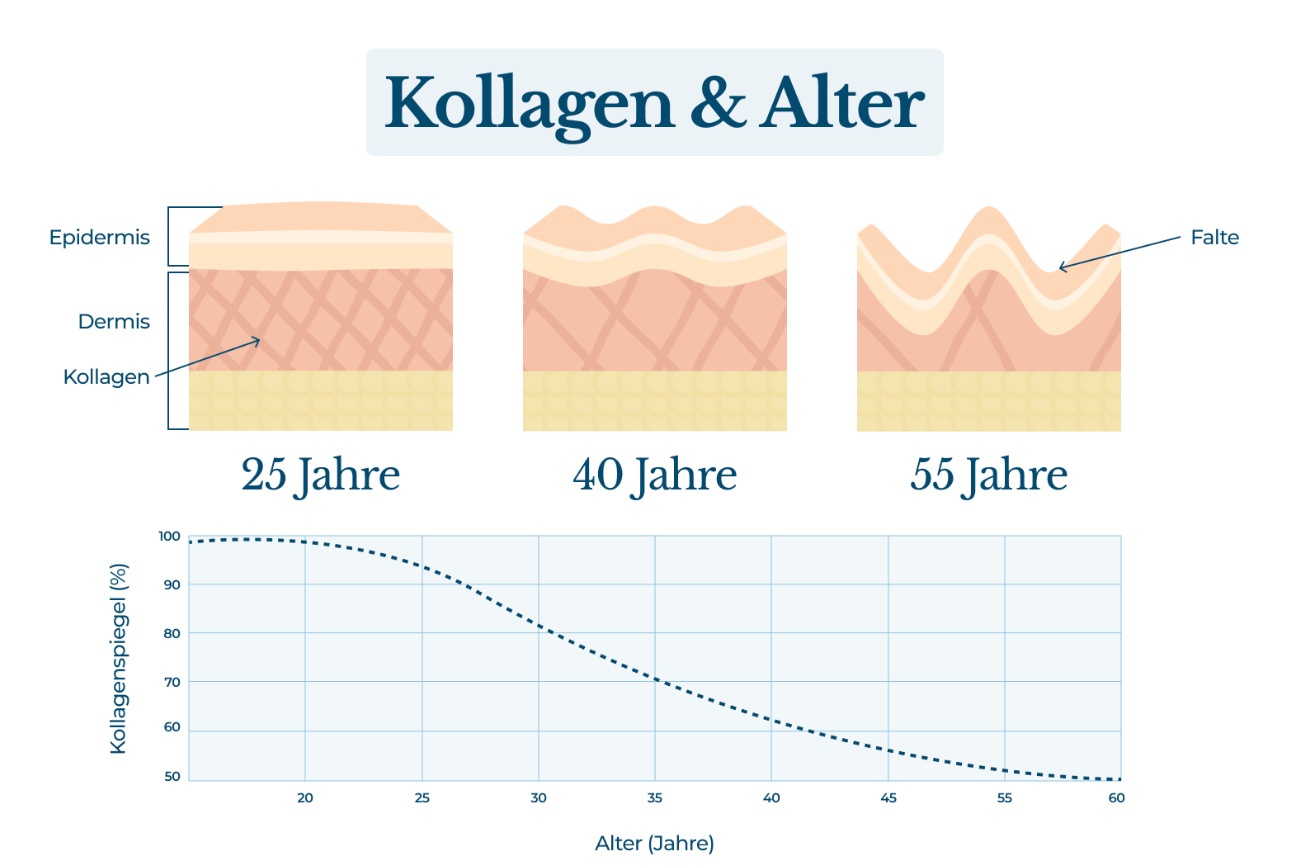
The human body naturally produces collagen, but production decreases with age. Starting at age 25, the body begins to produce less collagen, and this decline accelerates in the following decades. This natural breakdown leads to visible signs of skin aging, such as wrinkles and sagging skin, as well as to a deterioration of joint health and overall connective tissue structure.
As collagen production decreases, the body's ability to repair and regenerate tissue also decreases. This affects not only the skin, but also cartilage, bones, tendons, and ligaments. A lack of collagen can therefore lead to an increased susceptibility to joint pain, osteoporosis, and other degenerative diseases.
Collagen against cellulite
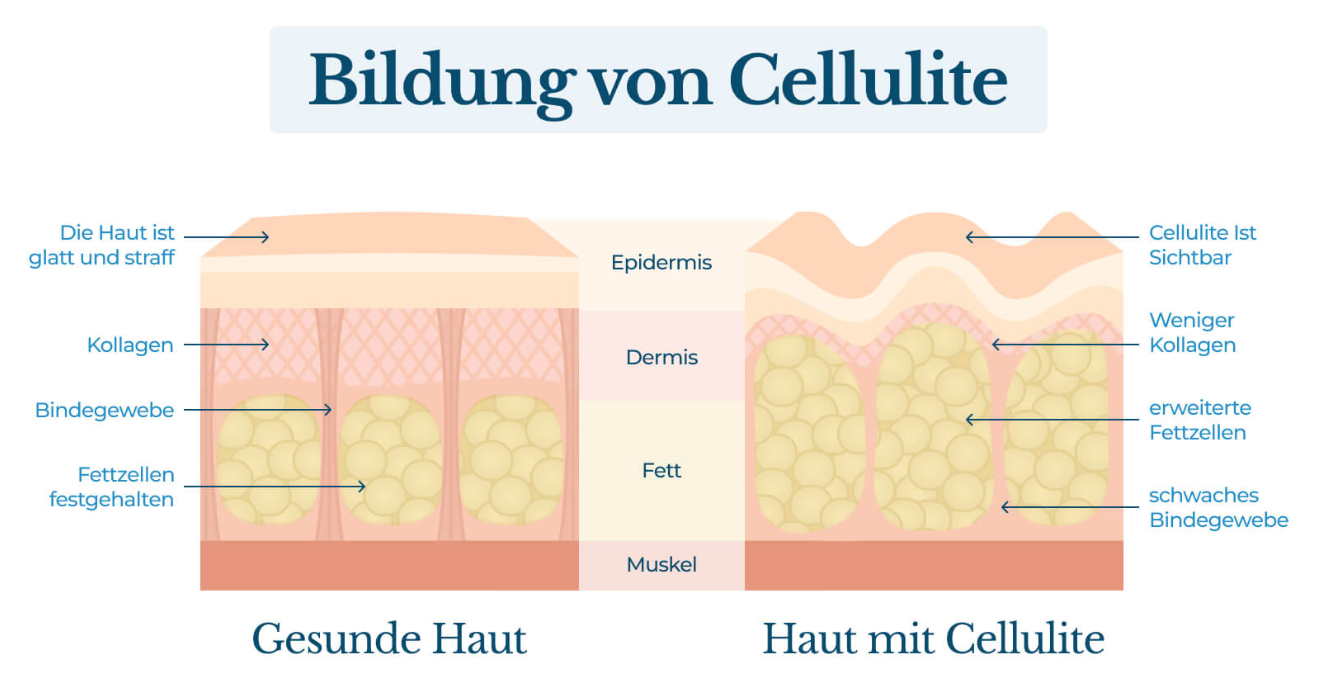
Collagen can have a positive effect on the skin, especially in combating cellulite. Cellulite is caused by the accumulation of fat cells that weaken the connective tissue and cause skin dimples. Collagen can improve skin elasticity and reduce the appearance of orange peel skin (cellulite). Taking collagen regularly can help strengthen the skin structure and firm the connective tissue, leading to a smoother skin surface with less cellulite.
Collagen Type I and skin tightening
Collagen Type I is the most common collagen in the skin and contributes significantly to firmness and elasticity. By supporting collagen production, collagen Type I can help make the skin firmer and smoother, which has anti-aging effects. With age, collagen production in the body decreases, leading to wrinkles and sagging skin. Collagen supplements can counteract this process and slow down skin aging.
Collagen products, such as collagen powder and creams, are frequently used to improve skin health. These products can help reduce wrinkles, improve skin structure, and slow down overall skin aging. Collagen powder can be easily integrated into the daily diet by mixing it into drinks or foods. Creams and serums containing collagen can be applied directly to the skin to provide targeted care.
Causes and treatment of connective tissue weakness
What causes connective tissue weakness?
Connective tissue weakness can be caused by genetic factors, aging, hormonal changes, and unhealthy lifestyle habits. It leads to problems such as cellulite, sagging skin, and joint pain. Other factors that can contribute to connective tissue weakness include inadequate nutrition, lack of exercise, and excessive stress. These factors impair collagen production and structure, leading to a weakening of the connective tissue.
Anti-aging agents and dietary supplements
Anti-aging agents, such as vitamin C and vitamin B3, can stimulate collagen production and strengthen connective tissue. Vitamin C is particularly important for collagen synthesis, as it serves as a cofactor for the enzymes involved in collagen formation. Dietary supplements containing collagen are also popular for treating connective tissue weakness. These supplements provide the body with the necessary amino acids and nutrients to support collagen production.
Effectiveness of collagen supplements
The effectiveness of collagen supplements has been studied in numerous studies. Results show that regular intake of collagen products can have positive effects on the skin, joints, and bones. Studies have shown that collagen supplements can improve skin elasticity, reduce wrinkles, reduce cellulite, and support joint function. Taking collagen can also help increase bone density and reduce the risk of bone fractures.
How to take collagen
Collagen can be taken in various forms, including powder, capsules, and liquid dietary supplements. It is important to follow the recommended dosage and take collagen products regularly to achieve optimal results. Collagen powder can be mixed into smoothies, coffee, or other drinks, while capsules and liquid dietary supplements offer a convenient alternative for on the go.
Tips for increasing collagen production
In addition to taking collagen supplements, certain lifestyle habits can support collagen production. These include a high-protein diet rich in vitamin C, regular physical activity, and avoiding smoking and excessive alcohol consumption. A balanced diet rich in amino acids, zinc, and copper can also contribute to collagen synthesis.
Skin care
Skin care products containing collagen can be applied directly to the skin. These creams and serums supply the skin with collagen and other important nutrients that can improve skin health. Regular use of such products can help firm the skin, reduce wrinkles, improve cellulite, and improve the overall appearance of the skin.
The science behind collagen
Many scientific studies have investigated the benefits of collagen for the skin and joints. The results show that collagen supplements can improve skin elasticity, reduce wrinkles, and support joint function. Studies have also shown that collagen supplements can increase bone density and improve muscle mass in older adults.
Collagen is also used in medicine, for example in wound healing and reconstructive surgical procedures. It serves as a natural scaffold that promotes cell regeneration and accelerates healing. Collagen-based biomaterials are used in regenerative medicine to repair damaged tissue and restore function.
Research on collagen is advancing, and new applications are constantly being discovered. Future studies could reveal further benefits and innovative uses of collagen in medicine and cosmetics. Advances in biotechnology could improve the production and modification of collagen to better meet specific needs.
Collagen and anti-aging
With age, collagen production in the body decreases, leading to wrinkles and sagging skin. Collagen supplements and creams can help reduce these signs of skin aging and make the skin look younger and firmer. Regular use of such products can improve skin structure and increase skin hydration.
The role of nutrition and lifestyle
A healthy diet rich in vitamins and minerals, as well as an active lifestyle, can help support collagen production and slow down skin aging. Avoiding smoking and excessive alcohol consumption, as well as protecting the skin from UV radiation, are also important measures to maintain skin health.
Practical tips for using collagen products
Choosing the right collagen products
When choosing collagen products, it is important to pay attention to the quality and purity of the ingredients. Products with hydrolyzed collagen are more easily absorbed by the body and offer better results. It is also important to choose products from reputable manufacturers to ensure that they are free from harmful additives.
The high quality of Corridge Collagen
With a product like collagen, it is important to pay attention to all quality characteristics. The range of collagen dietary supplements is growing, but not every product contains the best collagen. Premium products are distinguished by their purity – this means they contain no unnecessary additives or fillers. “Pure collagen” is an important term that indicates that the product is free from sugar, artificial flavors, and colorings. Another quality characteristic is the origin of the product. The following points confirm the premium quality of Corridge Collagen Powder:
-
Regionality: The collagen powder is filled in Southern Germany in a family-run mill, and we have it regularly tested by independent laboratories.
-
Quality characteristics: The collagen used, “SOLUGEL® ultra BD,” comes from grass-fed and controlled pasture-raised cattle, free from pesticides, antibiotics, and steroid hormones.
-
Peptide size: Corridge hydrolyzed collagen powder has the perfect collagen peptide size. A collagen peptide should be between 2000 and 3000 Daltons to be perfectly absorbed by the intestine.
-
Flavorless, heat-resistant, and perfect solubility: Corridge collagen powder can be added to cooking, baking, or hot drinks without loss of effectiveness, such as morning coffee.
-
Integrating collagen powder differently into everyday life: Corridge offers not only pure collagen powder, but also a combination with porridge. The products are from reputable manufacturers that offer high-quality ingredients and transparent production processes.
Integrating collagen into everyday life
Collagen powder can be easily integrated into everyday life by mixing it into smoothies, coffee, or other drinks. Capsules and liquid dietary supplements offer a convenient alternative for on the go. It is important to maintain regular intake to benefit from the advantages in the long term.
Positive experiences with collagen
Many women report positive experiences with taking collagen supplements and using collagen creams. Improvements in skin elasticity, reduction of wrinkles, reduction of cellulite, and healthier joint function are frequently mentioned benefits. Some users have also reported that their nail and hair structure has improved.
Scientific studies on effectiveness
Scientific studies support the positive reports and show that collagen supplements can actually improve skin health and joint function. Regular intake of collagen has shown significant improvements in studies, especially in reducing joint pain and improving skin elasticity.
Challenges
Not everyone reacts the same to supplements, and it can take some time until visible results appear. Consistent application and patience are therefore important. It is also important to have realistic expectations and to be aware that the effects of collagen products can vary from person to person. But sticking with it is worth it to achieve the desired goal. (see images)


Frequently Asked Questions (FAQ)
How long does it take to see results?
The time until visible results appear can vary. Generally, users report improvements after about 4-8 weeks of regular intake of collagen products. However, it can also take longer until significant changes become visible, especially with chronic skin or joint problems.
Can men also benefit from collagen?
Yes, collagen is not gender-specific. Both men and women can benefit from the health benefits of collagen, including better skin health and joint function. Collagen supplements can also improve muscle mass and bone density in men.
Are there side effects when taking collagen?
Collagen supplements are generally safe and well tolerated. In rare cases, however, gastrointestinal discomfort or allergic reactions can occur. It is advisable to discuss taking collagen supplements with a doctor, especially if you are allergic to certain proteins or have other health concerns.
Is collagen vegan or vegetarian?
Most collagen products come from animal sources, especially cattle and fish. However, there are also plant-based alternatives that are referred to as vegan, although they technically do not contain real collagen. These products contain ingredients that can stimulate the body's own collagen production.
What is the difference between collagen Type I and Type II?
Collagen Type I is mainly found in the skin, tendons, and bones, while collagen Type II occurs in cartilage. Both types have specific functions and are important for the health of various tissues in the body. Collagen Type I is responsible for the firmness and elasticity of the skin, while collagen Type II supports the structural integrity of the cartilage.