

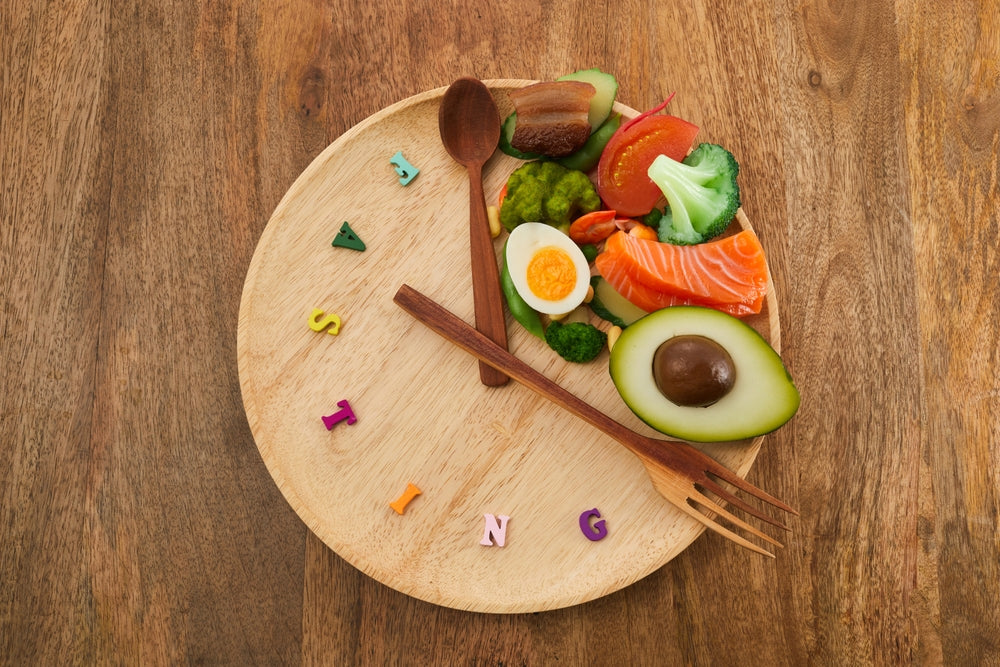
How you strengthen your body, metabolism, and well-being with the 16:8 method – sustainably, naturally, and without counting calories.
Introduction to Intermittent Fasting
Intermittent fasting, also known as intermittent fasting, is a form of eating characterized by regular alternation between eating phases and fasting phases. Unlike classic diets, it does not prescribe what you eat, but when you eat.
The most popular form of intermittent fasting is the 16:8 intermittent fasting method. This involves fasting for 16 hours every day and eating within an eight-hour eating window – e.g., between 12 and 20 noon.
This method is becoming increasingly popular because it:
-
is easy to implement in everyday life
-
works without counting calories
-
supports natural hormone regulation
-
can contribute to healthy, sustainable weight loss
In addition to 16:8, there are other forms of intermittent fasting, such as:
-
5:2 method: This fasting method allows normal eating on five days of the week and a calorie reduction to 500 to 600 calories for women and 600 to 850 calories for men on two days. The fasting days can be chosen flexibly and do not have to be consecutive. On fasting days, fast-digesting carbohydrates such as sugar and white flour should be avoided. The 5:2 method is about as effective as a permanent calorie reduction as a weight loss aid, but is easier to stick to. It is a popular form of intermittent fasting.
-
Alternate Day Fasting (1:1 method): fasting every other day; this form requires a balanced diet on the days when you do not fast.
-
OMAD (One Meal a Day): only one meal daily
For example: The 16:8 method is particularly suitable for everyday life – it can be easily combined with work, family, and sports.
The benefits of intermittent fasting at a glance
Intermittent fasting is more than just a dietary trend – it is an effective health-promoting lifestyle with many benefits. Nutritional medicine is intensively studying the health effects of intermittent fasting and evaluating its benefits on a scientific basis. Currently, intermittent fasting is highly in vogue and is enjoying growing popularity.
Many people use intermittent fasting to achieve targeted health changes and benefit from the positive effects. The health benefits include biochemical changes in the body that have a positive effect on sugar and fat metabolism and can reduce inflammation.
Scientific studies provide convincing results: Intermittent fasting can positively influence body weight and contributes to the improvement of various health parameters. Animal studies also show that intermittent fasting can strengthen memory and immune function.
1. Support for weight loss
During the fasting phase, the insulin level drops, allowing the body to access fat reserves more effectively. This promotes fat burning and supports weight loss without losing muscle mass. Intermittent fasting 16 8 can also help avoid the yo-yo effect, as it aims for a sustainable change in eating habits. After the fasting period, you should make sure not to eat large quantities to prevent cravings and weight fluctuations.
2. Improved metabolism
Fasting and the targeted eating breaks in intermittent fasting 16 8 activate cellular cleaning processes (autophagy), reduce inflammatory markers, and improve insulin sensitivity – a plus for people with elevated blood sugar.
3. Protection against diseases
Numerous studies show: Intermittent fasting can lower the risk of cardiovascular diseases, type 2 diabetes mellitus (also known as type 2 diabetes), and metabolic syndrome.
4. Mental clarity and energy
Many report clearer thinking, more focus, and increased performance during the fasting period – without the usual afternoon slump.
5. Longer life through cellular cleaning
Autophagy, which is stimulated during fasting phases, plays a role in cell renewal. It removes damaged cell components – a potential protective mechanism against cancer and age-related diseases.
The 16:8 method: How it works
The idea behind the 16:8 method is simple: Food intake takes place exclusively within a fixed 8-hour window, while fasting is observed for the remaining 16 hours. A typical daily routine could look like this:
-
8:00 PM – Last meal of the day
-
12:00 noon (the next day) – First meal after 16 hours of fasting
With the 16:8 method, you can flexibly decide whether to skip breakfast or dinner to maintain the fasting window. This allows the method to offer flexible timing for eating breaks and makes it easy to adapt to your own everyday life. It is also important that the selection of foods during the eating phase contributes significantly to the success of the 16:8 method.
In practice, this means: breakfast is skipped, while lunch and dinner remain.
Tips for a successful start:
-
Start gradually, e.g., with 12:12 or 14:10, and increase gradually. A conscious dietary change is helpful in this regard to get the body used to the new eating routine. It is important to give the body time to adjust so that it can adapt to intermittent fasting.
-
Drink plenty of water – also unsweetened tea or black coffee.
-
Avoid sweet drinks or snacks during the fasting period. Tip: You should also avoid snacks between meals as much as possible to better control hunger.
-
Make your meals nutrient-rich – with vegetables, proteins, healthy fats, and complex carbohydrates.
-
Exercise regularly – sports support fat burning and muscle definition.
The 16:8 method is an easily implementable form of intermittent fasting for many people and is also well suited for beginners, as it is not as restrictive as other methods.
This method is particularly attractive for health-conscious women, as it does not require complicated rules or deprivation – and can be individually adapted to your own rhythm.
What you should consider during the fasting phase
Even if 16 hours without food initially sounds like a lot: A large part of this time falls during sleeping hours. During the fasting period, a conscious abstinence from food takes place, which is a central component of this fasting method. The fasting phase is thus an important part of the 16/8 fasting method, during which no food is consumed within a fixed time window.
To make fasting easier, keep the following in mind:
-
Drinking is allowed and important: water, unsweetened tea, black coffee
-
No calories during the fasting period – no milk in coffee either
-
Physical activity is even beneficial – walks or sports during the fasting period can further stimulate fat metabolism
What can you drink during the fasting phase?
With intermittent fasting – regardless of whether you choose the 16:8 method, the 5:2 diet, or Alternate Day Fasting – proper hydration plays a crucial role in your well-being and the effects on your body. Especially during the fasting period, it is important to drink enough to support metabolism and keep circulation stable.
Who should be careful with intermittent fasting?
Despite the many benefits, intermittent fasting is not unconditionally suitable for everyone. Caution is advised especially with certain pre-existing conditions or life stages.
Risk groups for whom medical consultation is advisable:
-
People with type 1 diabetes or insulin requirements
-
Patients with cardiovascular diseases
-
People with eating disorders
-
Pregnant and breastfeeding women
-
People with low blood pressure or underweight
Medication & fasting:
If you take medication, you should definitely clarify beforehand with your doctor whether and how intermittent fasting is suitable for you. Some medications work differently on an empty stomach or require food to be taken.
What you should eat during the eating window
Even if intermittent fasting does not strictly prescribe what you eat, your dietary quality significantly influences success. PD Dr. Dorothea Kesztyüs, an expert from the Institute for Nutritional Sciences, recommends paying attention to a balanced diet with high-quality, unprocessed foods during the eating phases. Particularly high-fiber carbohydrates such as whole-grain products are recommended. Suitable foods during intermittent fasting are vegetables, salad, legumes, nuts, fish, and poultry. It is advised to consume at least three servings of vegetables and two servings of fruit daily.
Fast-digesting carbohydrates such as sugar, white flour products, potatoes, and pasta, as well as sweets, should be avoided, as they can strongly influence blood sugar levels and promote cravings. During the eating phases, it is important not to overeat so as not to jeopardize the fasting effect.
Compared to therapeutic fasting, during which food is completely avoided over several days and which should usually be medically supervised, intermittent fasting is more suitable for everyday life and more flexible. With other fasting methods such as the 5:2 diet, there are fixed fasting days on which calorie intake is strongly reduced. Intermittent fasting can help avoid the yo-yo effect, as it aims for a long-term change in eating habits.
Recommended foods:
-
Vegetables & leafy greens: high in fiber, filling, nutrient-rich
-
High-quality proteins: fish, legumes, eggs, tofu
-
Healthy fats: avocados, nuts, olive oil
-
Complex carbohydrates: oatmeal, quinoa, whole-grain products
-
Fruit in moderation: berries, apples, citrus fruits
Foods to avoid as much as possible:
-
Sugary snacks
-
White flour products
-
Ready meals with additives
-
Alcohol (especially during the fasting period)
A balanced diet not only ensures more energy, but also supplies your body with everything it needs for regeneration, hormone regulation, and cellular health.
Conclusion: 16:8 – Lose weight naturally, sustainably, and healthily
Intermittent fasting 16:8 is a simple, scientifically sound method for weight reduction, health improvement, and well-being promotion – without diet stress. The positive effects are based on the time-limited intervals of fasting and eating phases, which support metabolism.
-
No calorie counting
-
Flexible integration into everyday life
-
Support for cellular regeneration
-
Promotion of a healthy metabolism
For many health-conscious people – especially active women – 16:8 is the key to more lightness, clarity, and vitality. However, it should be noted that there are currently no sufficient long-term studies proving a clear link between intermittent fasting and mortality risk.
💡 Corridge tip:
If you would like to support your intermittent fasting with nutrient-rich, natural products, discover our selection of collagen powder, porridge mixes, and nutrient-rich boosters – perfectly tailored to an active lifestyle with smart nutrition.
Corridge – because true well-being begins from within.