

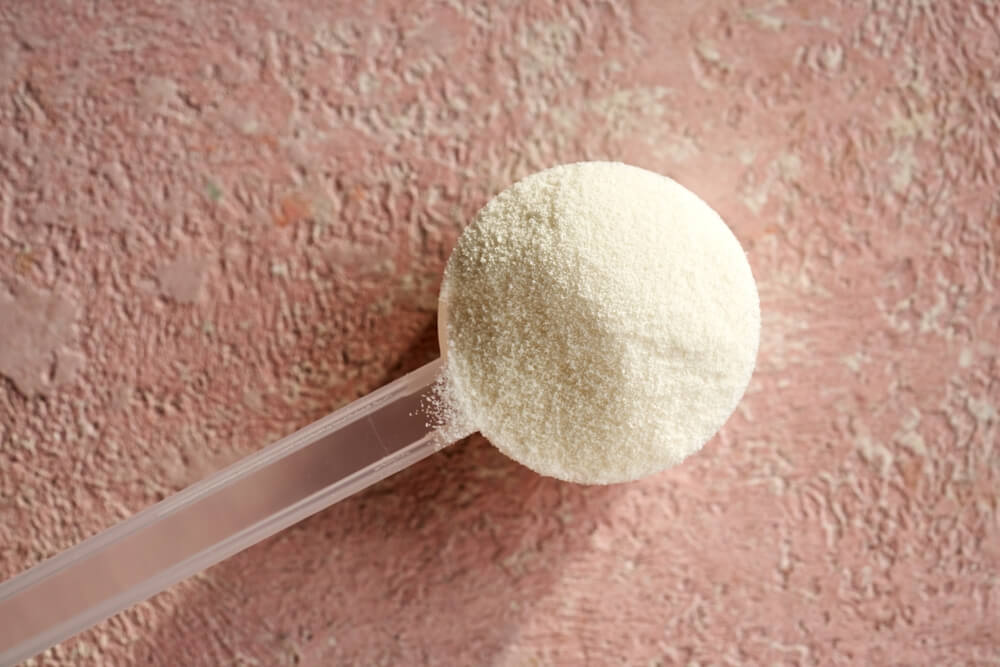
Collagen is an essential component of our bodies and plays a crucial role in maintaining the health of our skin, bones, joints, and much more. However, there are different types of collagen, each serving specific functions. In this comprehensive article, we will explore the different types of collagen, their importance, and their effects. We will also discuss collagen supplements and their use, showing you how to make the most of the benefits of collagen.
What is collagen?
Collagen is the most abundant protein in the human body and an essential component of connective tissue, skin, tendons, and bones. It consists mainly of the amino acids proline and hydroxyproline, which are responsible for the strength and elasticity of collagen fibers. Collagen plays a central role in the structure and function of joints and is therefore essential for joint health. Furthermore, collagen production provides a natural way to help prevent joint pain, ligament tears, and bone fractures. Collagen also helps promote hair and nail growth and supports the strength and shine of hair. In short, collagen is essentially the "glue" that holds our bodies together. There are different types of collagen, the most common of which are collagen peptides types 1 and 3, making up just over 80–90% of the body's own collagen.
The human body naturally produces collagen, but production decreases with age. The body begins producing less collagen as early as age 25, and this decline accelerates in the following decades. This natural breakdown leads to visible signs of skin aging, such as wrinkles and sagging skin, as well as to a deterioration in joint health and overall connective tissue structure.

Structure and function of collagen
Molecular structure
Collagen molecules consist of three polypeptide chains twisted into a right-handed triple helix. Each of these chains contains about 1,000 amino acids arranged in a repeating glycine-X-Y sequence, where X and Y are often proline and hydroxyproline. This specific structure gives collagen its stability and strength, as the small glycine residues fit into the center of the helix and allow strong hydrogen bonds to form between the chains.
Biosynthesis of collagen
The biosynthesis of collagen begins in fibroblasts, cells of the connective tissue. First, procollagen molecules are synthesized and modified in the endoplasmic reticulum and folded into triple helices. After being secreted into the extracellular space, the propeptides are enzymatically removed, creating tropocollagen. These tropocollagen molecules aggregate and form covalently cross-linked fibrils, which are organized into the various forms of collagen fibers.
Role of collagen in tissues and organs
In the skin, collagen forms a network that provides strength and elasticity. In bones, it contributes to the formation of the mineralized matrix, which provides hardness and stability. Tendons and ligaments consist mainly of collagen fibers, which give them tensile strength. In cartilage, collagen is responsible for cushioning and resisting compressive forces. In blood vessels, collagen supports the structural integrity and elasticity of the vessel walls.
Overview of collagen types
Collagen type I
Collagen type I is the most common type of collagen in the human body and is found mainly in the skin, tendons, bones, and ligaments. It is known for its high tensile strength and plays an essential role in tissues that must withstand heavy loads. In the skin, collagen contributes to strength and structure and is crucial for wound healing. In bones, it forms an organic matrix that binds calcium and other minerals to ensure bone hardness. Collagen type 1 also supports the structural integrity and regeneration of tissue.
Collagen type II
Collagen type II is found mainly in cartilage and is crucial for joint function. It forms a dense network responsible for the compressive strength and elasticity of cartilage. In joints, collagen type II enables smooth movement and shock absorption. It helps maintain joint health and plays an essential role in preventing and treating joint diseases such as arthritis.
Collagen type III
Collagen type III is often associated with collagen type I and is found in organs with high stretching requirements, such as the skin, lungs, intestines, and blood vessels. It supports the structure and elasticity of these tissues. In blood vessels, collagen type III contributes to flexibility and stability, while in organs such as the lungs and intestines, it promotes extensibility and resistance. It also plays a role in wound healing and the formation of scar tissue.
Collagen type IV
Collagen type IV is an essential component of basement membranes, which are thin layers of specialized extracellular matrix. This form of collagen is found in the basement membranes of epithelial and endothelial cells, which line many of the body's internal and external surfaces. Collagen type IV forms a net-like structure that supports the integrity and function of basement membranes. These basement membranes play a crucial role in kidney filtration, the barrier function of the skin, and the maintenance of the structure of blood vessels and organs. Collagen type IV is also important for cell adhesion, migration, and differentiation.
Collagen type V
Collagen type V is found in small amounts in tissues that also contain collagen type I, such as skin, bones, tendons, and lungs. It is known for its role in regulating the fibrillogenesis of collagen type I and contributes to the organization of collagen fibers. Collagen type V is important for the formation and maintenance of the cell matrix and supports cell proliferation and differentiation. It also plays a role in embryonic development and wound healing by influencing the structure of collagen fibrils in the affected tissues.
Collagen type VI
Collagen type VI is found in many tissues, including the skin, lungs, and cartilage. It forms microfilaments that support the structural integrity and mechanical stability of these tissues. Collagen type VI is also involved in cell adhesion and signal transmission.
Collagen type VII
Type VII is an essential component of anchoring fibrils in the skin and connects the epidermis to the dermis beneath it. It plays a crucial role in maintaining skin structure and is important for wound healing and the integrity of the skin barrier.
Collagen type X
Type X is found mainly in hypertrophic cartilage cells and is crucial for endochondral ossification, the process of bone formation. It supports mineralization and the conversion of cartilage into bone during the growth and repair of skeletal tissue.

Collagen effects
Skin improvement and anti-aging
Regularly taking collagen powder improves skin elasticity and increases skin hydration. This leads to smoother, more radiant skin and can reduce the appearance of wrinkles and fine lines. Studies have shown that collagen can strengthen skin structure from within, helping it look younger.
Promoting bone health
Collagen plays an essential role in maintaining bone density and can help reduce the risk of osteoporosis. Collagen supplements offer an excellent addition to a balanced diet and support bone health.
Supporting joint health and cartilage
Collagen is an essential component of cartilage tissue, which protects joints and supports their mobility. Taking collagen can help promote joint health and relieve symptoms of joint problems such as pain and stiffness. Athletes and older adults benefit particularly from the additional support provided by collagen hydrolysate. A daily dose of 10g of collagen over six months can lead to a significant reduction in joint pain.
Promoting hair and nail growth
Collagen can also promote the growth of hair and nails. The amino acids in collagen support the production of keratin, a protein that is essential for strong, healthy hair and nails. Many users report thicker hair and stronger nails after regularly taking collagen.
Muscle building and regeneration
For athletes and fitness enthusiasts, collagen offers additional benefits. It supports muscle building and recovery after training. Collagen contains important amino acids such as glycine and proline, which contribute to muscle repair and growth. Collagen is also rich in protein. Adding collagen to your daily routine can speed up recovery and improve performance.
Supporting connective tissue
Collagen powder is a major component of connective tissue, which connects and supports organs, muscles, and bones. A sufficient supply of collagen can help strengthen connective tissue and thus prevent injuries. This is especially important for people with an active lifestyle or increased physical stress.
Improving gut health
Collagen can help repair and strengthen the intestinal lining, which can be particularly beneficial for people with leaky gut syndrome. It promotes a healthy gut flora and supports overall digestive health. The amino acids in collagen, especially glycine and glutamine, play a key role in maintaining the integrity of the intestinal lining and reducing inflammation.
By taking collagen powder, the natural decline in collagen production can thus be offset, leading to improved skin, joint, bone, and gut health. This makes collagen a valuable part of a daily health routine, especially for those who want to minimize the effects of aging on their bodies.
Collagen production and breakdown
The body produces collagen through a complex chain of biochemical reactions that require amino acids such as glycine and proline. Vitamin C plays a crucial role in collagen synthesis by acting as a cofactor for the enzymes that form collagen molecules.
Factors affecting collagen breakdown
Collagen breakdown is accelerated by factors such as aging, UV radiation, smoking, and a poor diet. These factors can reduce collagen production and promote the breakdown of existing collagen.
Foods that promote collagen production
Certain foods can promote collagen production in the body, including protein-rich foods such as meat, fish, eggs, and dairy products, as well as fruits and vegetables rich in vitamin C.
Dietary strategies to support collagen production
A balanced diet rich in protein and vitamin C can support collagen production. It is important to eat a variety of nutrient-rich foods to promote collagen synthesis.
The high quality of Corridge Collagen
With a product like collagen, it is important to pay attention to all quality criteria. The range of collagen supplements is growing, but not every product contains the best collagen. Premium products are distinguished by their purity—meaning they contain no unnecessary additives or fillers. "Pure collagen" is an important term indicating that the product is free from sugar, artificial flavors, and colorings. Another quality criterion is the product's origin. The following points confirm the premium quality of Corridge Collagen Powder:
-
Regionality: The collagen powder is filled in a family-run mill in Southern Germany, and we have it regularly tested by independent laboratories.
-
Quality criteria: The collagen used, "SOLUGEL® ultra BD", comes from grass-fed and controlled pasture-raised cattle, free from pesticides, antibiotics, and steroid hormones.
-
Peptide size: Corridge's hydrolyzed collagen powder has the perfect collagen peptide size. A collagen peptide should be between 2,000 and 3,000 Daltons to be perfectly absorbed by the gut.
-
Flavorless, heat-resistant, and perfectly soluble: Corridge's collagen powder can be added to cooking, baking, or hot drinks without losing its effectiveness, such as in your morning coffee.
-
Integrating collagen powder into your daily routine in different ways: Corridge offers not only pure collagen powder, but also combinations with porridge. It is made by renowned manufacturers who offer high-quality ingredients and transparent production processes.
Collagen in your daily routine
There are many easy ways to incorporate collagen into your daily routine, such as mixing 1 tbsp (10g) into your morning coffee. Corridge Collagen Powder is flavorless, heat-resistant, and dissolves very well. It can also be used for cooking and baking.
Recommendations for daily collagen intake
To achieve the best results, it is important to take collagen regularly. Combine this with a balanced diet and a healthy lifestyle to make the most of collagen's benefits.
Collagen and sports
Collagen can support athletes' performance and recovery by increasing muscle mass and promoting joint health. Taking collagen supplements can help prevent injuries and speed up recovery after training.
Many athletes incorporate collagen supplements into their daily routine to optimize their performance and support the health of their joints and muscles.
Collagen and personal health
Many people report positive experiences with collagen supplements, including improved skin structure, reduced joint pain, and stronger muscles.
To achieve the best results, it is important to choose high-quality collagen supplements and take them regularly. Combine this with a balanced diet and a healthy lifestyle to make the most of collagen's benefits.
The future of collagen powder
The future of collagen is promising, with ongoing research and development of new products and applications. Collagen could play an even greater role in the health and beauty industry.
New technologies and scientific discoveries could lead to innovative collagen products and applications that further improve health and beauty.
Conclusion
Collagen is an essential protein that offers many health benefits. It supports the health of your skin, joints, bones, and muscles. Taking collagen supplements regularly can help boost collagen production and relieve the symptoms of a collagen deficiency.
To achieve the best results, it is important to choose high-quality collagen supplements and take them regularly. Combine this with a balanced diet and a healthy lifestyle to make the most of collagen's benefits.
Stay active and healthy by incorporating collagen into your daily routine. Try high-quality collagen products and experience the many benefits of this important protein for yourself. Your skin, joints, bones, and muscles will thank you!
FAQs
1. What is the main benefit of collagen for the skin? Collagen helps improve skin structure, reduce wrinkles, and increase skin elasticity and firmness.
2. Which types of collagen are most important for joint health? Type II collagen is particularly important for joint health, as it supports the structure of cartilage and can relieve joint pain.
3. Are there vegan alternatives to collagen? Yes, vegan collagen is made from plant-based sources and can support the body's own collagen production.
4. How can I promote collagen production in my body? A balanced diet rich in protein and vitamin C, as well as the regular intake of high-quality collagen supplements, can promote collagen production.
5. What forms of collagen supplements are available? Collagen supplements are available in various forms, including powder, capsules, and liquid. Each form has its own benefits, and the choice depends on individual preferences and needs.